

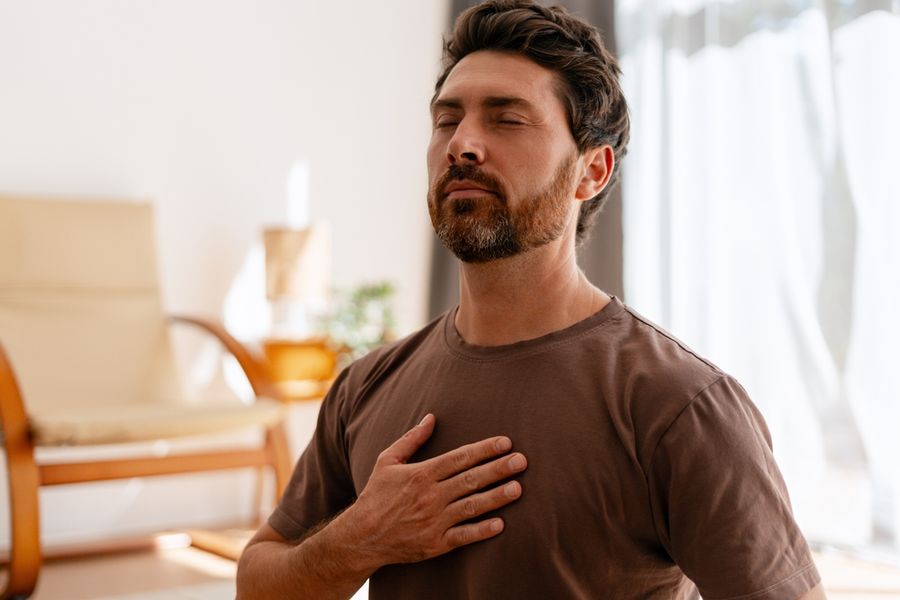
Daily stress often builds from small moments rather than major events. Tight schedules, constant notifications, and mental overload can quietly wear people down. Five-minute breathing sessions offer a simple way to reset without needing special equipment or long breaks. Short sessions fit easily into busy days and can help calm the body and mind. Understand how five-minute breathing sessions work, why they are effective, and how to use them to reduce everyday stress.
Why Short Breathing Sessions Work
Breathing directly affects the nervous system. When breathing is shallow and fast, the body stays in a state of alert. Slow, steady breathing sends the opposite signal, telling the body it is safe to relax. Even short sessions can shift this response.
Five minutes is often enough to notice a change. The mind slows, muscles loosen, and attention becomes steadier. Because the time commitment is small, people are more likely to practice consistently, which is key to long-term stress reduction.
The Best Times to Use Five-Minute Breathing
Five-minute breathing sessions work best when stress first appears, not only when it feels overwhelming. Common moments include the start of the workday, between meetings, or after difficult conversations. Using breathing early can prevent stress from building further.
They are also helpful during transitions. Taking a few minutes to breathe before switching tasks or returning home helps the mind reset. This makes it easier to stay present instead of carrying tension from one part of the day into the next.
Simple Breathing Techniques to Try
One effective option is slow nasal breathing. Breathe in through the nose for a count of four, then breathe out through the nose for a count of six. The longer exhale encourages relaxation and helps reduce physical tension.
Another simple technique is box breathing. Breathe in for four counts, hold for four, breathe out for four, and hold again for four. This steady rhythm helps focus attention and calm racing thoughts. Both techniques are easy to learn and work well within a five-minute window.
How to Set Up a Quick Breathing Session
A breathing session does not require a special setting. Sitting comfortably in a chair or standing quietly is enough. The key is to minimize distractions. Silencing notifications and setting a five-minute timer helps protect the time.
Good posture supports better breathing. Sitting upright with relaxed shoulders allows the lungs to expand more fully. Eyes can be closed or softly focused on one spot, whichever feels more comfortable. The goal is ease, not effort.
Making Breathing a Daily Habit
Consistency matters more than perfection. It helps to attach breathing sessions to existing routines, such as starting work, taking lunch breaks, or winding down in the evening. When breathing becomes part of a routine, it feels less like an extra task.
Some people use reminders or short calendar blocks to prompt practice. Others link breathing to physical cues, such as feeling tension in the shoulders. Over time, the habit becomes automatic, making stress easier to manage throughout the day.
Breathing for Mental and Emotional Clarity
Stress often shows up as mental noise. Thoughts jump from one concern to another, making it hard to focus. Breathing sessions help quiet this mental chatter by giving the mind a single point of attention.
As attention settles, emotional reactions also soften. Situations that felt overwhelming may feel more manageable after a few minutes of steady breathing. This clarity supports better decisions and calmer responses, especially in stressful work or family situations.
Using Breathing During High-Stress Moments
Breathing sessions can be used during stressful moments, not just before or after them. If anxiety rises during a meeting or conversation, slow breathing can be done quietly without drawing attention.
Even a few deep breaths can help slow the stress response. While five full minutes may not always be possible, practicing regularly makes shorter moments of breathing more effective. Familiarity builds confidence in using breathing when it matters most.
Combining Breathing With Other Stress Tools
Breathing works well alongside other stress management habits. Short walks, stretching, and quiet breaks pair naturally with breathing sessions. These combinations support both physical and mental relaxation.
Breathing can also be used before journaling, planning, or problem-solving. Calming the body first makes these activities more effective. The simplicity of breathing allows it to fit into many routines without conflict.
Small Sessions, Real Relief
Five-minute breathing sessions offer a practical way to lower daily stress without adding pressure to busy schedules. By calming the nervous system and improving focus, these short practices support steadier moods and clearer thinking.
When used consistently, breathing sessions become a reliable tool for managing stress as it appears. Small moments of calm, repeated daily, can make a meaningful difference in how stress is experienced and handled over time.