

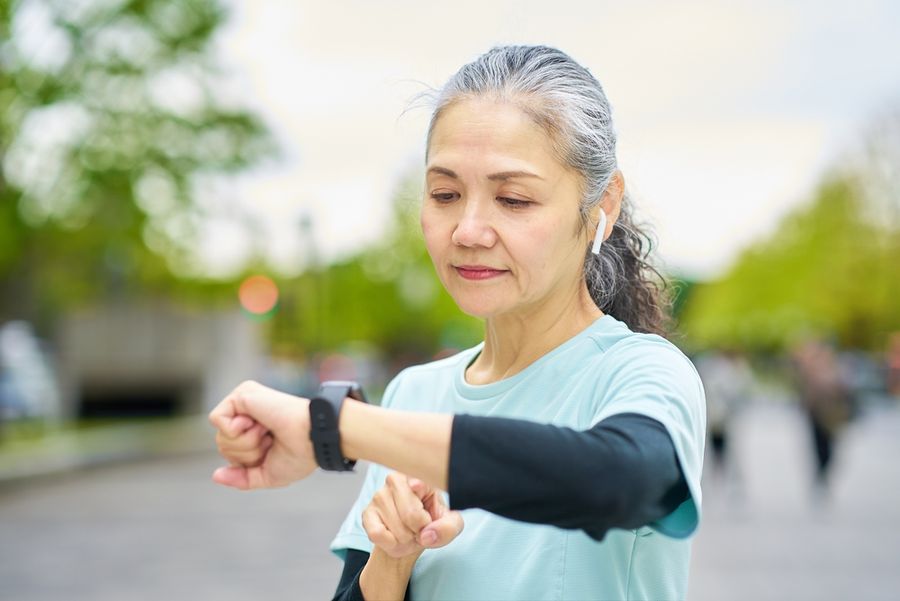
Many people want to walk more but struggle to stay consistent once motivation fades. Busy schedules, forgotten goals, and unclear progress often get in the way. Step-tracking wearables help by turning walking into something visible and measurable. By tracking daily movement and offering gentle reminders, modern devices make it easier to build a steady walking habit. Understand how step-tracking wearables support consistency and how to use them to walk more regularly over time.
Why Consistency Matters More Than Intensity
When it comes to walking, consistency matters more than long or intense sessions. Short walks done regularly often provide more benefit than occasional bursts of activity. However, without feedback, it can be hard to know whether you are actually moving enough each day.
Step-tracking wearables, also called pedometers, help by showing daily totals and trends. Instead of guessing, you see clear numbers that reflect real movement. This clarity encourages small, repeatable actions, which are easier to maintain than ambitious but irregular plans.
What Step-Tracking Wearables Do Well
Step-tracking wearables automatically count steps throughout the day using built-in sensors. Most track movement continuously, whether you are walking intentionally or moving during daily tasks. This captures more activity than people often realize.
Many wearables also show progress toward daily goals, streaks, or weekly totals. These features help turn walking into a habit rather than a one-time effort. Seeing progress build over time reinforces consistency and keeps walking top of mind.
How Wearables Encourage Daily Movement
One reason step-tracking wearables work is awareness. Simply knowing that steps are being tracked often leads people to move more. Small choices, like taking stairs or walking during breaks, become more intentional.
Reminders also play a role. Many devices gently prompt users to move after long periods of sitting. These nudges are simple but effective, especially for people who work at desks. Over time, they help build a rhythm of regular movement throughout the day.
Setting Realistic Step Goals
Step goals should feel achievable, not overwhelming. While some people aim for round numbers, consistency improves when goals match current habits. Step-tracking wearables allow users to adjust targets as fitness levels change.
Starting with a modest goal reduces frustration and increases follow-through. As walking becomes more routine, goals can be raised gradually. Wearables make these adjustments easy and provide feedback that helps guide realistic progress.
Using Data to Spot Patterns
Beyond daily totals, step-tracking wearables reveal patterns. You may notice certain days are more active than others, or that steps drop during busy weeks. This insight helps identify barriers to consistency.
Recognizing patterns allows for better planning. If steps are low on workdays, short walks can be added before or after work. If weekends are more active, weekday goals can be adjusted. Data turns walking into a manageable habit rather than a guessing game.
Choosing the Right Wearable for Walking
Different wearables suit different preferences. Some people prefer wrist-based trackers, while others choose clip-on or ring-style devices. Comfort matters, because a wearable only helps if it is worn consistently.
Battery life, ease of use, and clear displays are also important. For walking habits, advanced features are often less important than reliable step tracking and simple feedback. Choosing a wearable that fits easily into daily life supports long-term use.
Building Walking Into Daily Routines
Wearables work best when paired with routine. Attaching walking to daily activities, such as morning coffee breaks or evening wind-down time, increases consistency. Step counts then reflect intentional movement rather than random activity.
Some people use wearables to turn routine tasks into opportunities for steps. Parking farther away, walking during phone calls, or adding short walks after meals all contribute to daily totals. The wearable provides immediate feedback that reinforces these choices.
Staying Motivated Without Pressure
Step-tracking wearables support motivation without requiring intense effort. Progress is visible, but pressure is low. Missed goals are simply data points, not failures.
Many wearables emphasize trends rather than perfection. Seeing weekly averages improve can be more encouraging than focusing on one low day. This approach supports a healthier mindset and keeps walking enjoyable instead of stressful.
Using Wearables With Other Healthy Habits
Walking often supports other healthy habits. Regular movement can improve sleep, mood, and focus. Step-tracking wearables help connect these habits by showing how movement fits into the larger day.
Some people pair walking with listening to podcasts or taking breaks outdoors. Wearables reinforce these routines by showing their impact over time. This integration makes walking feel like a natural part of daily life.
A Simple Tool for Lasting Movement
Step-tracking wearables make it easier to walk more consistently by turning movement into visible progress. By tracking steps, highlighting patterns, and offering gentle reminders, they support steady habits rather than short bursts of effort.
When used with realistic goals and flexible expectations, wearables become helpful companions for daily walking. Over time, small, consistent steps add up to meaningful movement and a more active routine.