

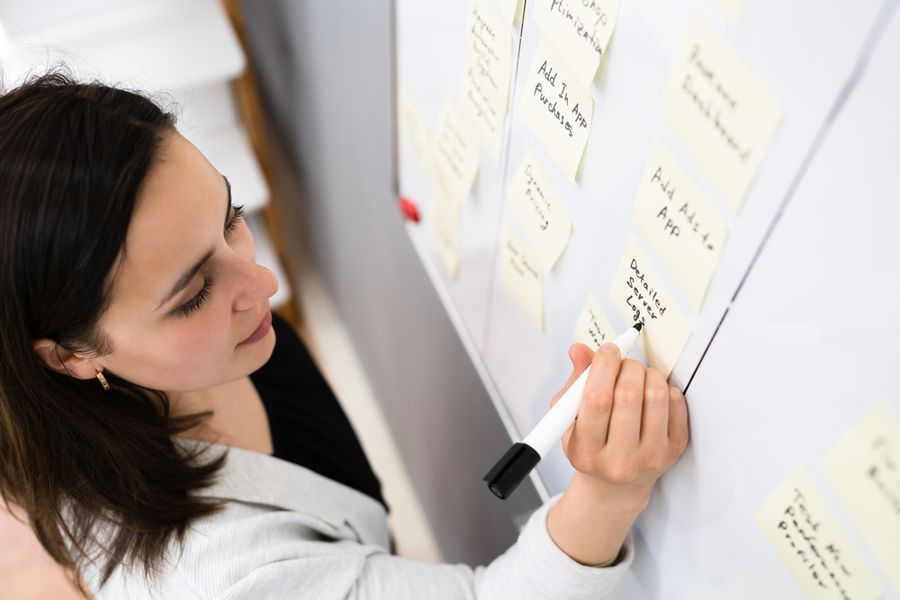
Many people rely on to-do lists to manage work, yet still feel overwhelmed or behind. Tasks pile up, priorities shift, and lists grow longer without offering much clarity. Kanban boards approach work differently by making tasks visible and limiting how much is handled at once. Instead of tracking work as a long list, Kanban turns tasks into a clear flow. Understand why Kanban boards often work better than traditional to-do lists in real work environments.
How To-Do Lists Break Down at Work
To-do lists are simple and familiar, which is why they are so popular. You write tasks down and check them off when finished. The problem is that most work is not linear. New tasks arrive constantly, priorities change, and urgent items interrupt planned work. A to-do list does not show how tasks relate to each other or how much work is already in progress.
Another issue is that lists treat all tasks the same. A two-minute task sits next to a project that takes days, with no visual difference. This can lead to unrealistic daily plans and frustration when only a few items get completed. Over time, long lists can feel discouraging rather than motivating.
What a Kanban Board Is and How It Works
A Kanban board is a visual system for tracking work as it moves through stages. Most boards include columns such as “To Do,” “In Progress,” and “Done.” Each task is written on a card and placed in the appropriate column. As work progresses, cards move across the board.
This simple structure shows not just what needs to be done, but what is being worked on right now. Whether the board is physical or digital, the visual layout makes it easy to understand the state of work at a glance. Instead of reading a list, you see work flowing from start to finish.
Visual Clarity Makes Priorities Obvious
One reason Kanban boards outperform to-do lists is visibility. When tasks are laid out visually, it becomes clear where attention is going. You can quickly see which tasks are waiting, which are in progress, and which are finished. This helps reduce confusion about what should be worked on next.
Kanban also makes overload obvious. If too many cards pile up in the “In Progress” column, it signals that focus is being spread too thin. A to-do list does not offer this kind of feedback. The board encourages better decisions by making work patterns easy to spot.
Limiting Work in Progress Improves Focus
A key idea behind Kanban is limiting how many tasks are worked on at the same time. Many boards set a clear limit on the number of cards allowed in the “In Progress” column. This creates a natural pause before starting new work.
To-do lists encourage starting tasks without finishing others, which leads to constant task switching. Kanban pushes work toward completion instead. By focusing on finishing tasks before starting new ones, people often feel calmer and more productive. Progress becomes visible, which builds momentum.
Better Flow for Team and Solo Work
Kanban boards work well for both individuals and teams. For teams, the board creates shared awareness. Everyone can see what others are working on and where help may be needed. This reduces duplicate work and improves coordination without constant meetings.
For solo workers, Kanban adds structure without complexity. The board acts as an external memory, holding tasks so they do not stay stuck in your head. This makes it easier to focus on the task in front of you rather than worrying about everything else waiting to be done.
Easier Adjustment When Priorities Change
Work priorities change often, especially in fast-moving environments. Kanban boards handle change more smoothly than to-do lists. Moving a card to the top of a column or shifting it between stages is quick and clear. The impact of the change is visible immediately.
With a to-do list, priority changes often lead to rewriting, reordering, or mental juggling. Kanban reduces this friction. The board adapts as work changes, without making the system harder to use or understand.
Measuring Progress Without Stress
Kanban boards make progress visible in a way that feels encouraging. Seeing cards move into the “Done” column provides a clear sense of accomplishment. This helps counter the feeling that work never ends, which is common with long to-do lists.
Over time, boards also reveal patterns. You can see which types of tasks move quickly and which tend to stall. This insight can lead to better planning and more realistic expectations, without needing complex tracking systems.
A Clearer Way to Manage Work
Kanban boards outperform to-do lists because they reflect how work actually happens. By making tasks visible, limiting work in progress, and showing flow, Kanban supports better focus and clearer priorities. Instead of managing endless lists, people manage movement and completion.
For many workers and teams, this shift leads to less stress, better collaboration, and more meaningful progress throughout the workweek.