

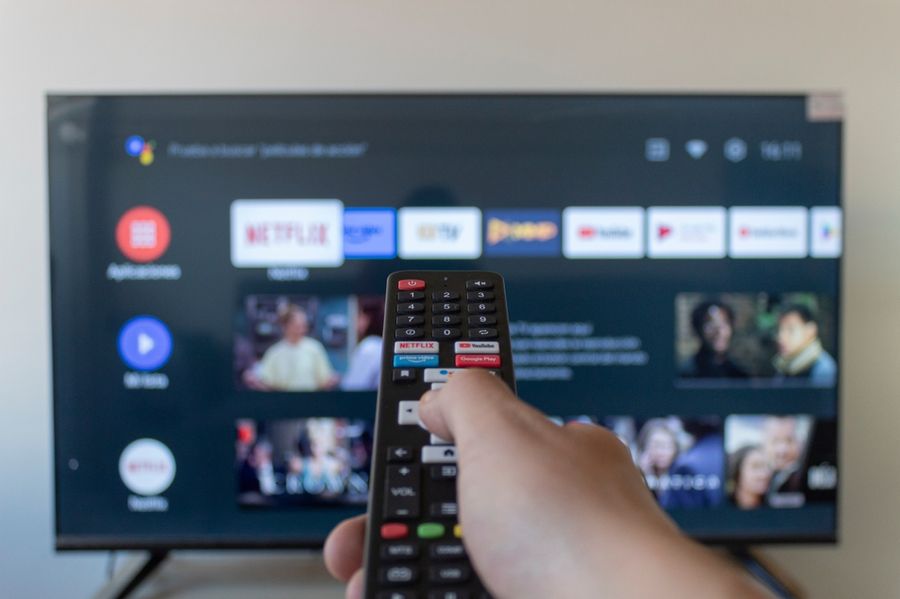
Subscription services make life convenient, but they can quietly pile up. Streaming platforms, apps, software tools, and memberships often renew automatically, making it easy to lose track of how many you have. Over time, “subscription creep” can drain money and create clutter without adding much value. Managing subscriptions does not require extreme budgeting or constant monitoring. Understand simple, practical ways to keep subscriptions under control and make sure each one still earns its place.
What Subscription Creep Looks Like
Subscription creep happens when small, recurring charges add up without notice. A complimentary trial turns into a paid plan, a one-time need becomes a monthly charge, or multiple services overlap in purpose. Because each cost feels minor on its own, they are easy to ignore.
The problem is not just money. Too many subscriptions also create mental clutter. Multiple logins, unused features, and forgotten services make it harder to focus on what you actually use. Recognizing subscription creep is the first step toward managing it effectively.
Listing All Active Subscriptions in One Place
The most important step is visibility. Many people do not realize how many subscriptions they have because they are spread across different emails, apps, and payment methods. Creating a single list brings clarity.
This list can be a simple document or spreadsheet. Include the service name, renewal date, and how often it is used. Seeing everything in one place often reveals immediate opportunities to cancel or pause services that no longer serve a purpose.
Reviewing Subscriptions Based on Actual Use
Once subscriptions are listed, the next step is honest review. Ask simple questions: When did I last use this? Does it solve a real problem right now? Would I notice if it disappeared?
Usage-based review removes guilt from the process. Canceling a service does not mean it was a bad decision in the past. It simply means it no longer fits current needs. This mindset makes it easier to let go of unused subscriptions.
Using Reminder Systems to Stay Ahead of Renewals
Many subscriptions rely on forgetfulness. Setting reminders before renewal dates puts control back in your hands. A simple calendar reminder a few days before renewal is often enough.
These reminders create space to decide whether to keep, cancel, or downgrade a service. Instead of reacting to charges after they happen, you make decisions ahead of time. This small habit prevents unwanted renewals without requiring constant attention.
Consolidating and Replacing Overlapping Services
Subscription creep often comes from overlap. Multiple streaming services, similar productivity apps, or duplicate cloud storage plans can serve the same purpose. Reviewing overlap helps reduce clutter.
Choose one service that best meets your needs and cancel the rest. In some cases, no-fee or built-in tools can replace paid subscriptions entirely. Consolidation simplifies accounts and makes it easier to get full value from what remains.
Making Subscription Reviews a Regular Habit
Managing subscriptions works best when it is done regularly. A monthly or quarterly review keeps the list current and prevents creep from returning. This review does not need to take long.
During the review, update usage notes, remove canceled services, and add new ones. Treat subscriptions like any other resource that needs occasional maintenance. Regular check-ins keep spending intentional and predictable.
Checking Payment Methods for Hidden Charges
Subscriptions are often spread across multiple payment methods, such as credit cards, app stores, or digital wallets. This makes them easier to forget and harder to track.
Reviewing bank and card statements helps catch subscriptions that are not obvious from email alone. Grouping subscriptions under fewer payment methods can also make future reviews faster and more accurate.
Taking Advantage of Pause and Downgrade Options
Canceling is not always the only option. Many services offer pause features, lower-cost plans, or limited versions that still meet basic needs.
Downgrading can reduce costs while keeping access when full features are not necessary. Knowing these options prevents unnecessary cancellations and helps tailor subscriptions to current usage instead of past habits.
Aligning Subscriptions With Current Priorities
Needs change over time, and subscriptions should change with them. A service that was useful during a busy work period or a specific life phase may no longer be relevant.
Reviewing subscriptions through the lens of current goals helps ensure they still make sense. This approach keeps subscriptions aligned with how time, money, and attention are actually being used, rather than how they were used in the past.
Fewer Subscriptions, More Control
Subscription creep is common, but it is manageable with simple habits. Listing all subscriptions, reviewing real usage, setting renewal reminders, and reducing overlap bring clarity and control.
The goal is not to eliminate subscriptions, but to keep only those that provide real value. With a clear system and regular review, managing subscriptions becomes easy, stress-free, and aligned with how you actually live and work.