

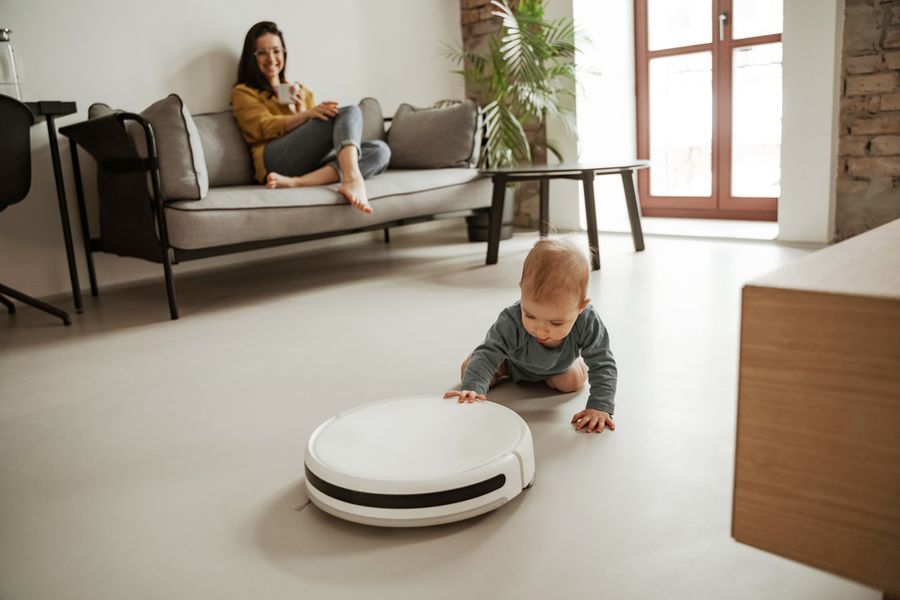
Robot vacuums can make daily cleaning easier, but the “best” model depends on your home, not the hype. A small apartment with smooth floors needs different features than a multi-room home with rugs, pets, and tight corners. Home layout affects how well a robot can navigate, clean, and return to its dock. Understand what to look for when choosing a robot vacuum, with a focus on matching features to your space so you get reliable results.
Start With Your Floors, Rugs, and Thresholds
Floor type is one of the first things to consider. Homes with mostly hardwood, tile, or vinyl usually do well with most robot vacuums, since smooth floors are easier to clean. If you have area rugs or wall-to-wall carpet, look for stronger suction and good brush design, since carpet traps dirt more deeply.
Thresholds and transitions matter too. Many homes have small lips between rooms or thicker rug edges. A robot vacuum needs enough clearance and climbing ability to move between surfaces without getting stuck. If your home has several thresholds, this can be the difference between consistent cleaning and constant rescue missions.
Consider Room Count, Layout Shape, and Navigation
Open layouts tend to be easier for robot vacuums. Narrow hallways, tight turns, and many small rooms can be more challenging. In complex layouts, navigation quality becomes more important than raw suction.
Look for robots that can map your home and follow logical routes instead of wandering. Mapping helps the robot clean in an organized way and return to specific rooms when needed. If your home has more than one main living area, mapping and room selection can save time and improve coverage.
Think About Pets, Hair, and Daily Mess Levels
If you have pets, hair and tracked-in debris become a daily issue. In that case, focus on models designed for pet hair, with brushes that resist tangles and bins that can handle more debris. Hair wrap is one of the most common pain points for owners, so brush design matters.
Also consider how often you want to run the vacuum. Homes with pets or kids often benefit from daily runs. For that routine to work, the robot needs dependable navigation and easy maintenance. A vacuum that cleans well but requires constant untangling can become more hassle than help.
Decide How Much Automation You Really Want
Robot vacuums range from basic “press and go” models to systems that empty their own bins and manage cleaning schedules through an app. The right level of automation depends on your lifestyle and tolerance for upkeep.
If you do not mind emptying the bin and checking brushes, a simpler model may be enough. If you want less hands-on work, consider a robot with a self-emptying dock. This is especially useful in larger homes or homes with pets, where bins fill quickly and cleaning is more frequent.
Plan for Furniture, Cords, and Common Obstacles
Home layout is not only walls and floors. Furniture and clutter affect how smoothly a robot vacuum works. Low-clearance couches, chairs with angled legs, and tight table areas can trap robots. If your rooms are crowded, look for models that handle obstacles well and avoid getting stuck.
Cords, toys, and small objects are also common problems. Some robots are better at avoiding obstacles than others. Even with good sensors, you may need to “prep” the space by picking up cords and small items before runs. If you want minimal prep, obstacle detection becomes a key feature.
Battery Life and Dock Placement Matter More Than Expected
Battery life becomes especially important in larger homes or layouts with many rooms. If a robot vacuum cannot finish cleaning on a single charge, it needs to return to its dock and resume later. This works best when the dock is placed in an open, accessible area.
Poor dock placement, such as tight corners or crowded spaces, can lead to failed returns and incomplete cleaning cycles. Matching battery capacity and dock location to your home layout helps ensure consistent, uninterrupted cleaning.
Match Features to Your Space for Better Results
Choosing the best robot vacuum starts with understanding your home layout. Floors, rugs, thresholds, room shape, and everyday mess levels all affect performance. Mapping and smart navigation help in complex layouts, while strong suction and brush design matter more in carpeted or pet-heavy homes.
The best choice is the one that fits how your home actually works. When features match the space, robot vacuums become reliable helpers instead of frustrating gadgets.